
FUNERAL MANAGER BLOG
FM insights: Upholding excellence and quality with Andrew Thornalley
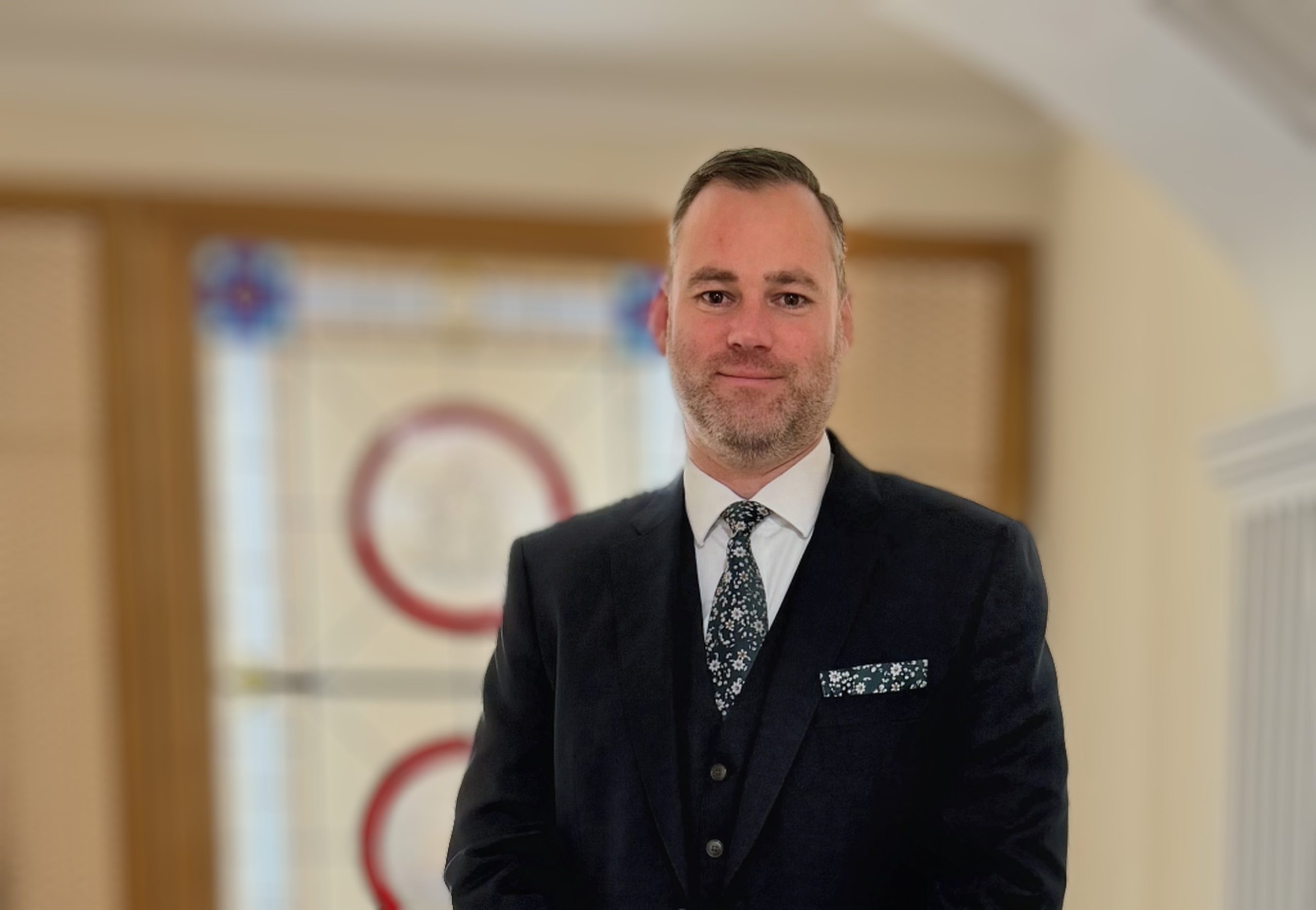
In this episode of FM Insights, we spoke with Andrew Thornalley of TFS (Thornalley Funeral Services) in Norfolk. As a growing independent family business arranging between 1,100 and 1,200 funerals a year across three funeral homes, TFS balances traditional values with modern operational efficiency. We discussed strategies for maintaining high standards during growth, the value of daily operational clarity, recruitment and responding to changing family expectations.
👇Read the full interview below — or watch the video highlights
Key theme: High standards and modern digital systems do not commoditise funeral service – they free up time, allowing independent funeral directors to deliver more personal family care.
Core values and meeting local needs
Q: Your business has grown significantly since your father started it in 1981. What are the core principles that guide TFS and shape the experience families receive?
A: We pride ourselves on upholding the traditional values of respect, dignity and compassion, providing the absolute best care we can give to a bereaved family. As an independent, family-run business with 27 full-time staff and a small number of casual bearers, we offer a personal, friendly and professional service. Families can be assured they are receiving care from people who truly care.
Q: In today’s market, how do you approach direct cremation compared to national online providers?
A: It’s a very important area. People generally prefer their loved ones to be cared for locally, not taken miles away. As an independent funeral director, we still have a key role to play in unattended direct cremations. Unlike national online providers, we offer a personal, friendly, local service where families can come and view their loved one in our chapel of rest. They can also receive the cremated remains the next working day, which national companies simply cannot offer.
FM Insight: By seeing direct cremation as an opportunity rather than a threat, independent funeral directors are in a unique position to offer additional services, such as local chapel-of-rest visits and swift return of remains. These are distinct advantages that distant national online providers cannot match.
Operational rigour and people management
Q: With the business expanding and market pressures changing, how do you ensure quality remains consistently high?
A: It comes down to having clear procedures, regularly reviewing how we work, paying close attention to detail, listening to client feedback and never losing that personal touch.
Q: What does day-to-day operational organisation look like at TFS to keep everything running smoothly?
A: We always start with a morning staff meeting to run through the day’s funerals using a day sheet that details everything – including interment of cremated remains and vehicle hires we occasionally do for other funeral directors. We go through special instructions and clarify exactly what roles and responsibilities everyone has. Being well-organised and clear ensures everyone knows what they are doing for the day.
Q: What qualities do you look for when recruiting new team members, and how do you support their development?
A: We look for people with compassion, care, friendliness and a genuine desire to help others. You can often tell a lot about a person in the first five or 10 minutes of an interview. When new staff join, we provide guidance alongside experienced colleagues, offering encouragement as they build confidence. We start them off with smaller roles and gradually build from there, always emphasising that if they aren’t sure of something, they must ask. This approach ensures we always provide accurate information to families.
Q: When experienced staff join you from other funeral directors, what differences do they tend to notice?
A: They could see a clear difference in standards and how busy we are. People often don’t realise quite how busy we are until they start working here. Because every funeral director runs differently, it’s all about helping new staff understand and adapt to how we operate, as every funeral director works in different ways.
Technology, regulation and future readiness
Q: TFS also has a connection to Breckland Crematorium. How has that shaped your broader understanding of the sector?
A: Breckland Crematorium is run separately by my sister and brother-in-law, Rachel and Nathan. Having that connection gives us a broader understanding of the entire journey for a bereaved family – both from the funeral director’s perspective and the crematorium’s perspective – which ultimately helps us deliver a better overall service.
Q: Where have technology and software made the biggest impact on your day-to-day business?
A: Implementing Funeral Manager has made us much more efficient on the administration side. We have screens and computers in each of our mortuaries and coffin workshops, so updates stream across all work areas instantly. That operational efficiency frees up time for us to give more personal care and attention directly to families. It also helps us maintain audit trails and track the movement of the deceased – from initial care right through to the day of the funeral – ensuring full transparency and compliance with industry codes of practice.
Q: Looking ahead, what changes does the funeral profession need to prepare for?
A: Families’ expectations have changed greatly. There is a higher demand for personalised services and more choices in how to say goodbye. It is imperative to keep looking forward, adapt to the changing landscape and be fully prepared for upcoming regulations.
Q: Finally, what practical advice would you give to another funeral director looking to refine their business?
A: Put the time and effort into your business. Listen to your staff and invest in good people, systems and facilities. Most importantly, never lose sight of the personal, high-quality service that independent funeral directors can offer to every family.
FM Insights: key takeaways from our conversation with Andrew Thornalley
Andrew Thornalley’s approach highlights three important lessons for modern independent funeral businesses:
Efficiency powers empathy: Investing in software like Funeral Manager and installing screens across workshops and mortuaries directly increases the time staff can devote to supporting families.
Local identity wins on unattended care: Independent funeral directors can turn direct cremation into a growth area by emphasising local care, physical chapel visits and rapid return of ashes to offer a higher quality service than national online providers.
Proactive compliance protects quality: Establishing clear morning briefing routines and digital tracking processes ensures that auditing, regulation compliance and high standards happen automatically, allowing the team to focus on the human side of care.
Disclaimer: This blog post is for informational purposes only and should not be considered legal or professional advice. We recommend following a UK funeral profession trade association, such as SAIF or the NAFD, to stay up-to-speed on regulatory developments.
Recent Blog Posts
-
FM Insights NFE special: Purpose-led innovation with Hannah Leverton
Hannah Leverton talks to us about the impact of modern marketing and digital transformation on Leverton & Sons.
-
Don’t wait till 2028: use this year’s NFE to evaluate funeral compliance tools
The 2026 National Funeral Exhibition presents a unique opportunity for businesses to get ahead of the curve.
-
FM Insights: Embracing change with Helen Wathall MBE
Helen Wathall MBE discusses leadership, legacy and embracing change in a modern funeral profession.